
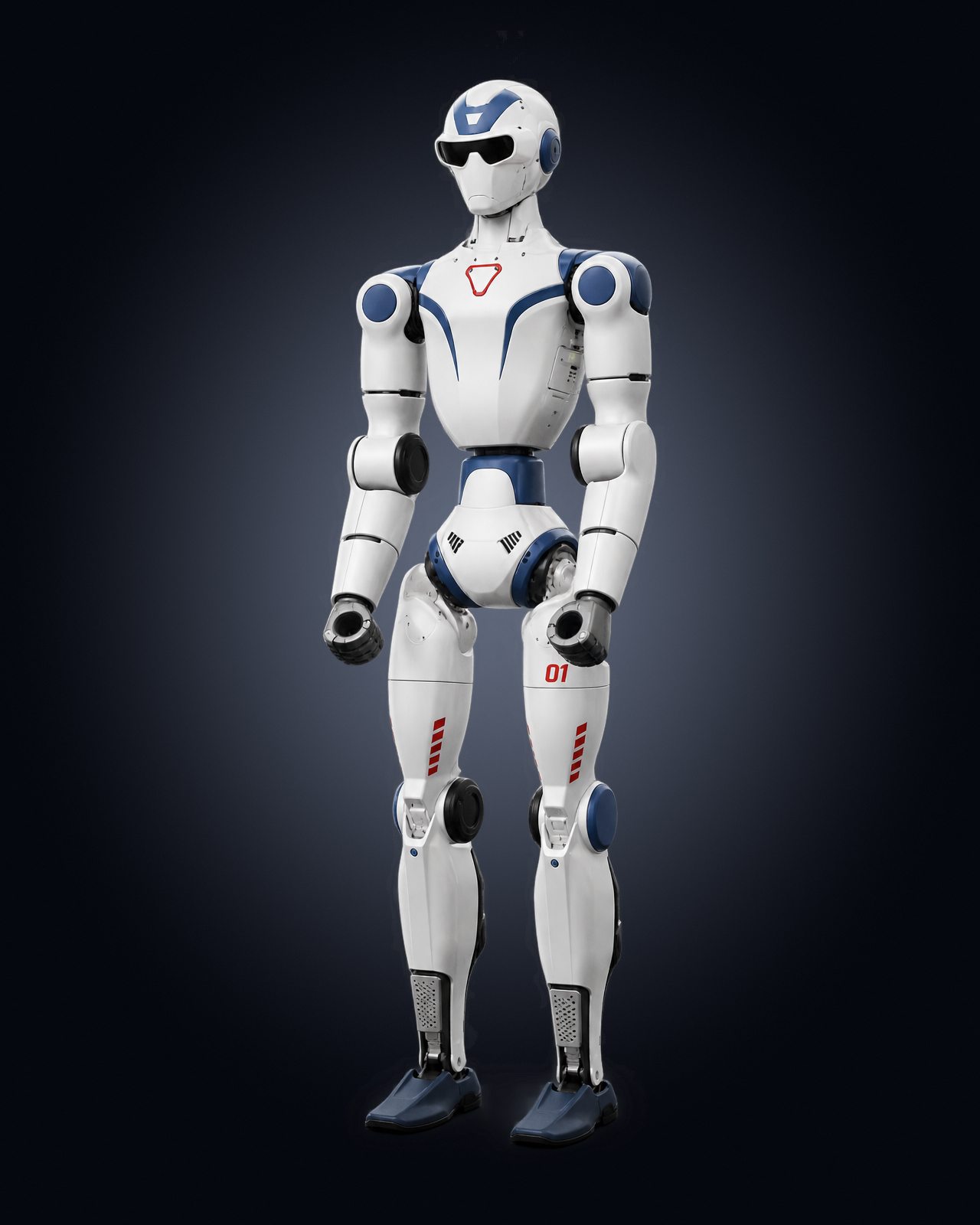
Unitree R1
A publicly priced entry humanoid that makes the category feel real.
Unitree Robotics, China

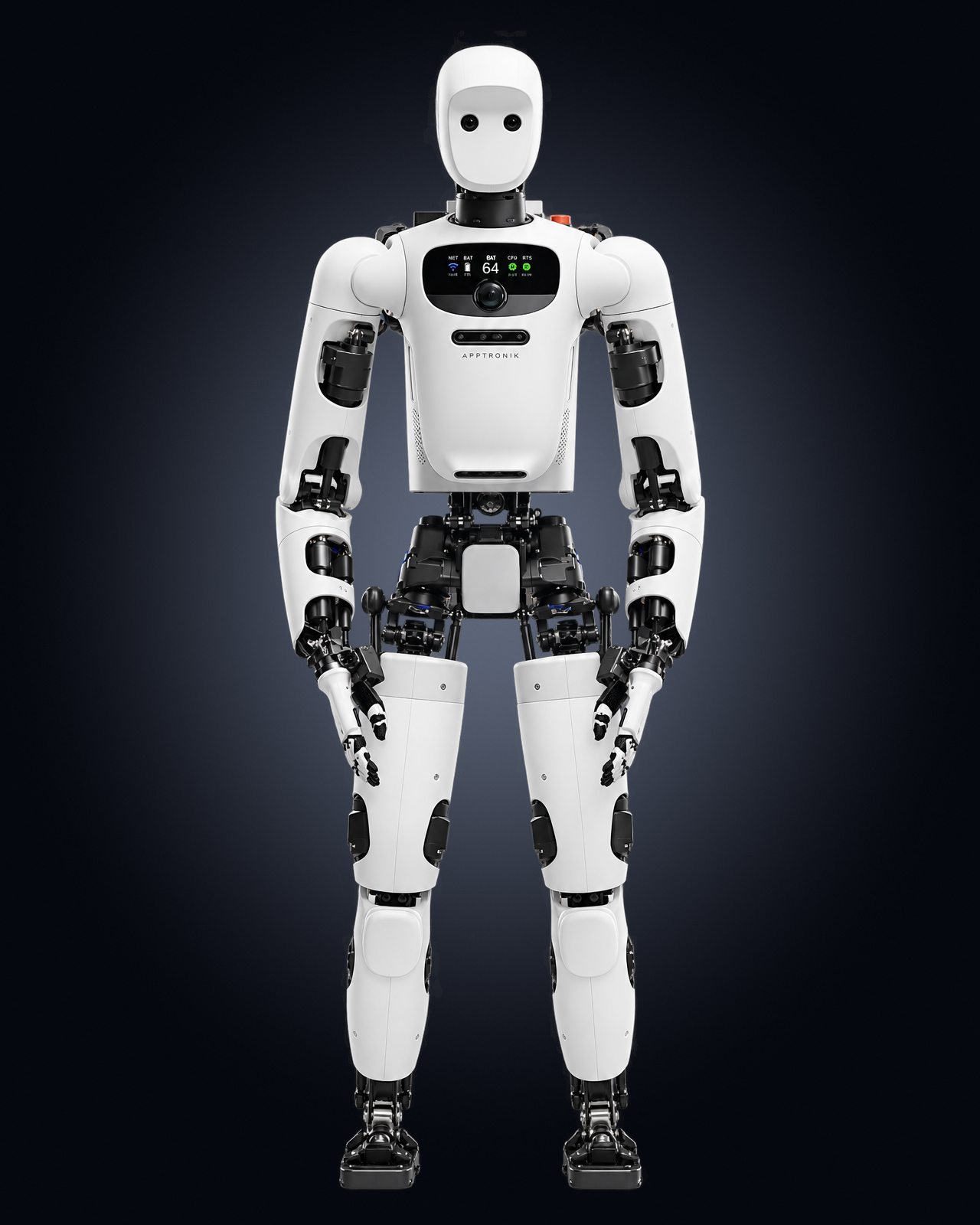
Apptronik, United States
A business-first humanoid built for real work in warehouses, retail, and manufacturing.
How close to a home
Apollo represents the business case for humanoids: mobile automation that can plug into real labour environments before the home market fully opens.
Apptronik positions Apollo for manufacturing, warehouses, and retail, where repetitive movement, handling, and flexible human-like form matter.
Apollo is marketed as scalable AI-powered robotics for enterprise settings. The focus is not consumer fantasy, but commercial deployment.
Apollo 2 is modular: a bipedal configuration for spaces built for people and a wheeled base for high-throughput work. Swappable batteries for round-the-clock operation, a chest display for status and battery, an LED mouth and speech for working next to people, Apptronik’s own actuators. The maker publishes no height, weight or price on the product page, so none is listed here. From apptronik.com.
Important to watch because it reflects where revenue may arrive first. Not a household butler, but a serious workplace contender.
For many humanoid companies, enterprise work is the bridge to everything else. Apollo makes that logic easy to understand.
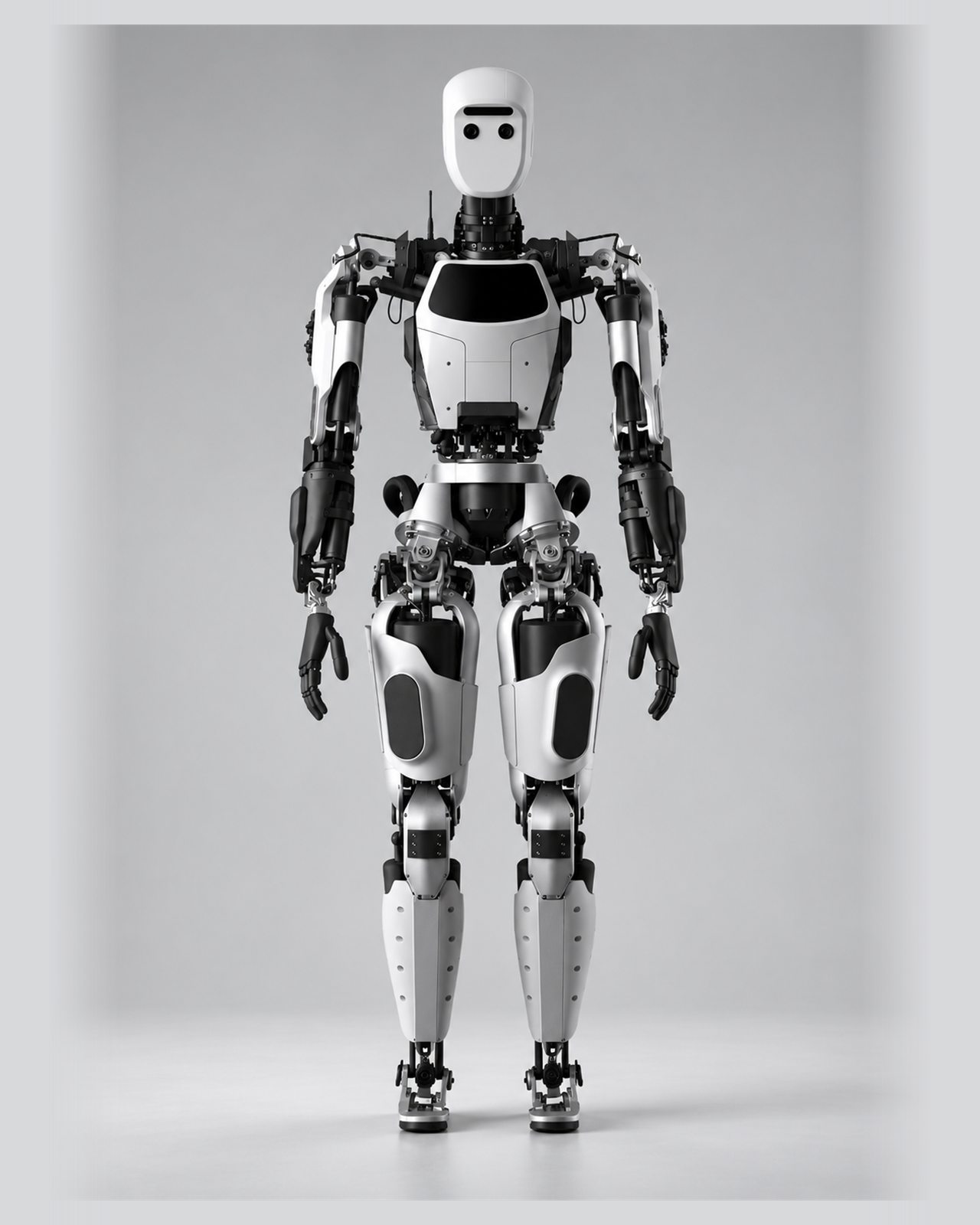
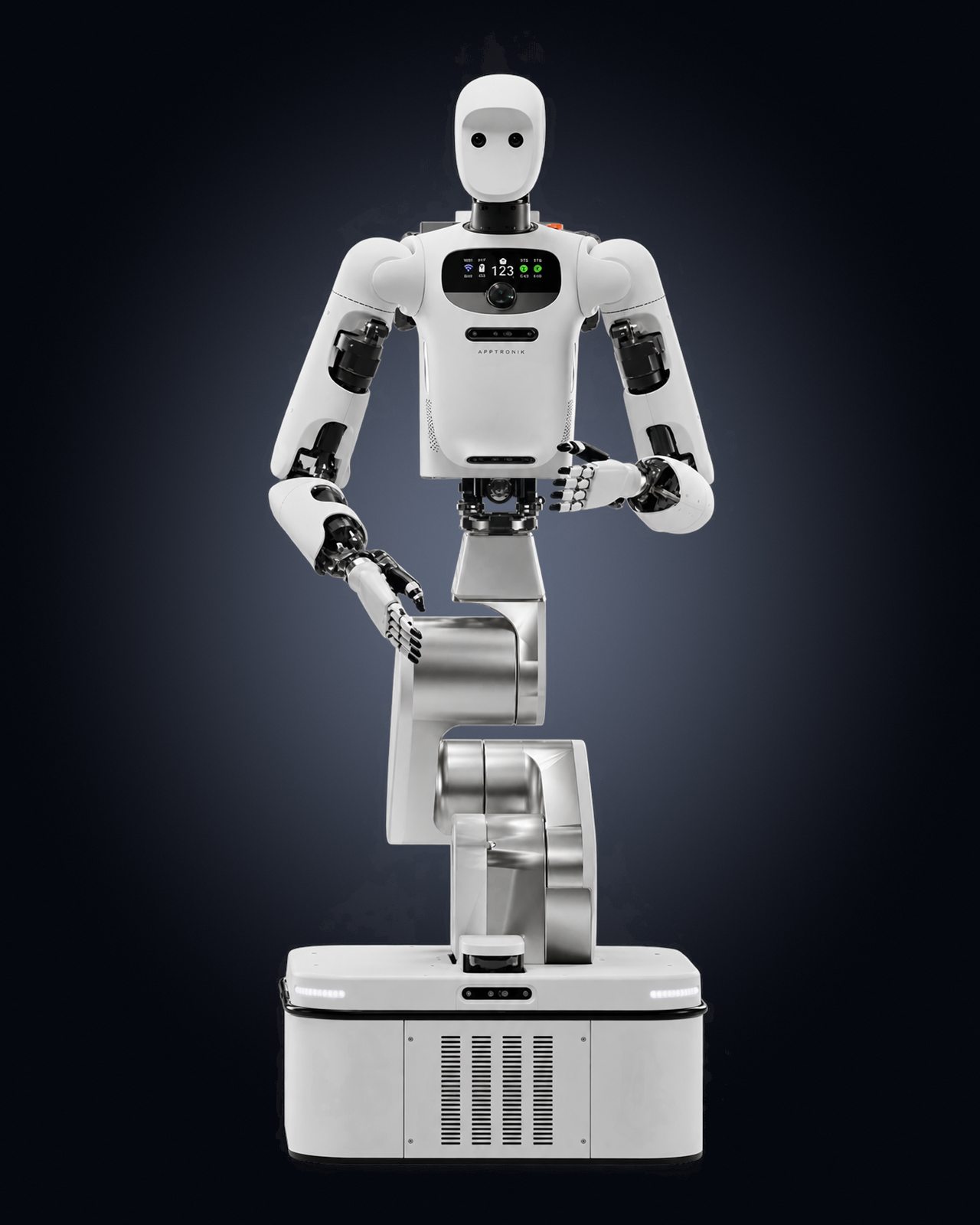
AI-generated illustrations of each generation, not photographs.
A publicly priced entry humanoid that makes the category feel real.
Unitree Robotics, China
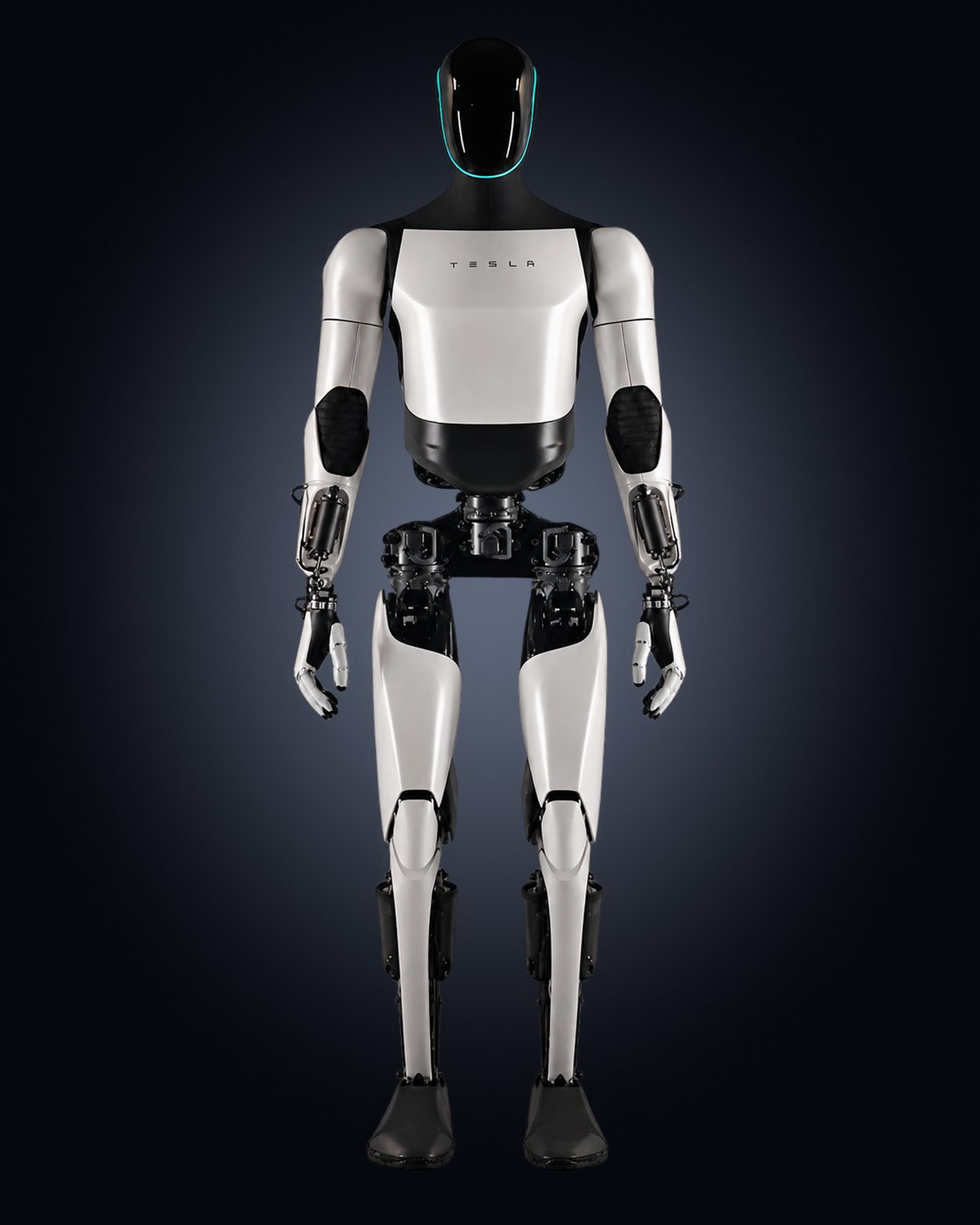
The most famous humanoid in the conversation, and still one of the least consumer-ready.
Tesla, United States
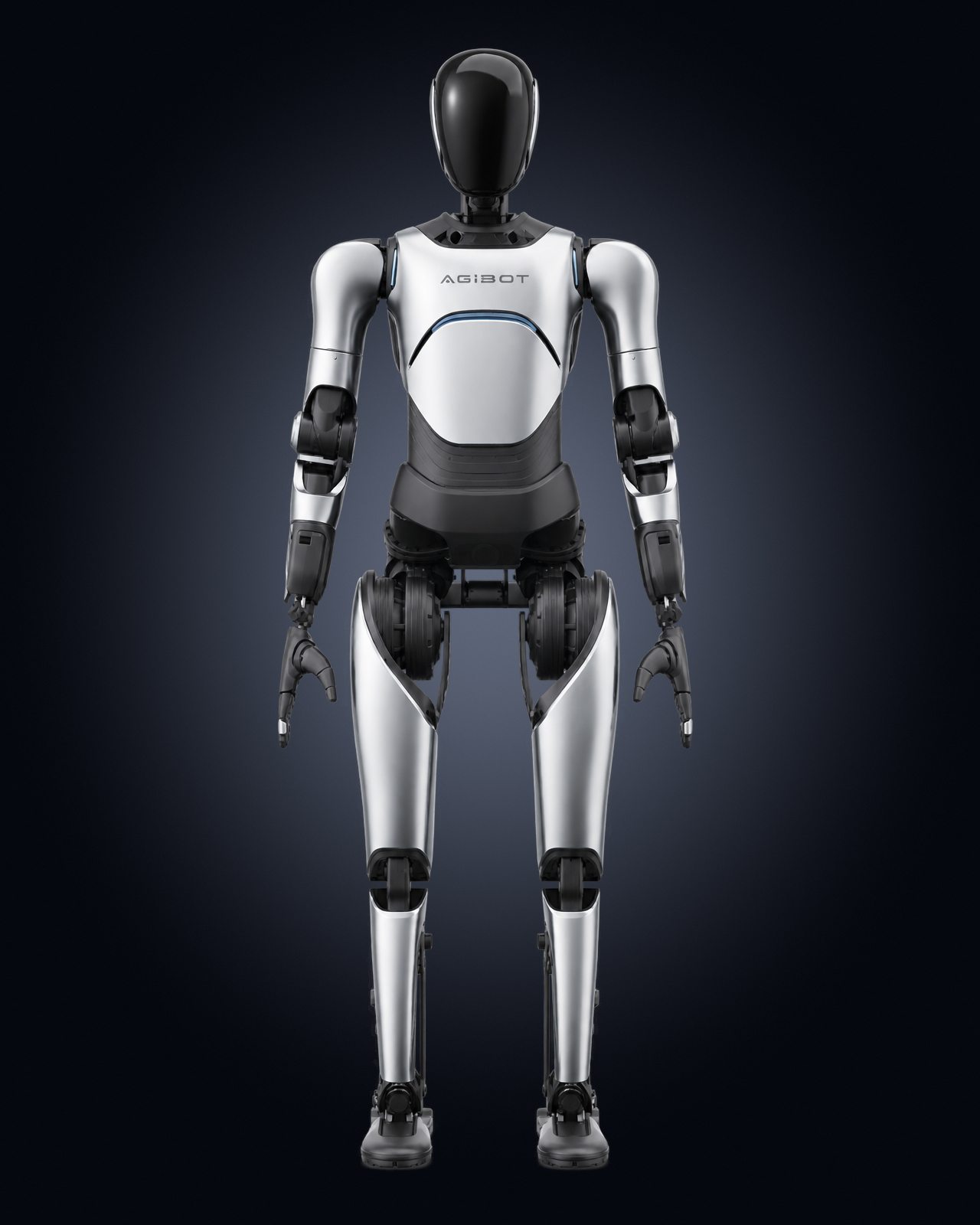
The humanoid that shipped more units than anyone else in 2025.
AgiBot, China
Prices, capabilities and the gap between what was demonstrated and what was delivered.
Get the free guide